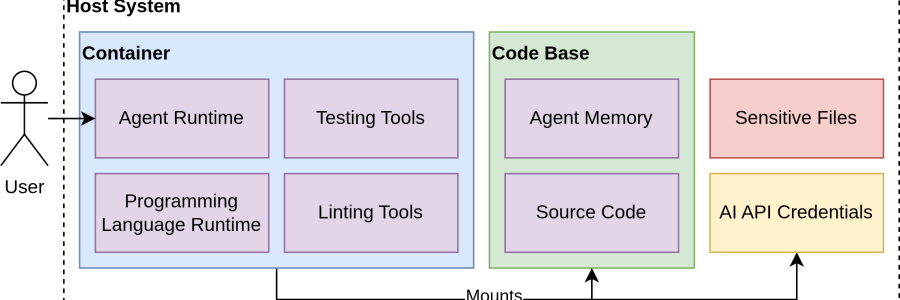
More and more people have started to adopt AI into their workflows to improve their productive.
One area that is especially interesting for AI adoption is software development as AI strives in environments with defined patterns such as programming languages.
Moreover, the correctness of AI generat...
Klartext is a competition on science communication offered by the Klaus Tschira Stiftung about providing a summary of one’s doctoral thesis that is accessible by a wide audience in German.
I submitted a text to Klartext based on my dissertation titled “Digitale Souveränität im Zeitalter von KI” wi...
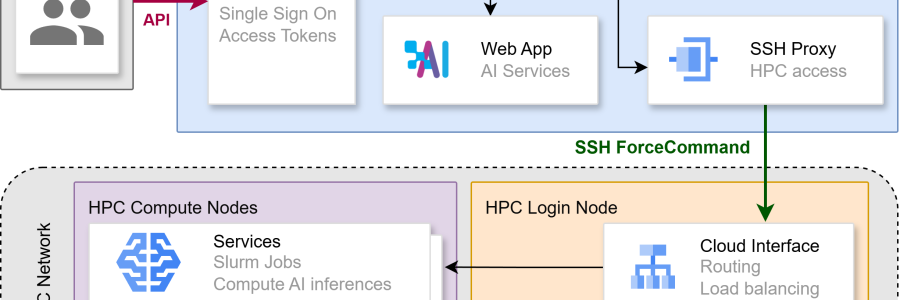
In this paper we introduce the Scalable AI Accelerator, short SAIA, a Slurm-native platform for operating services.
SAIA can be utilized for running any kind of service, i.e., an application that requires HPC resources, must be constantly kept running and accessible from the internet.
However, t...
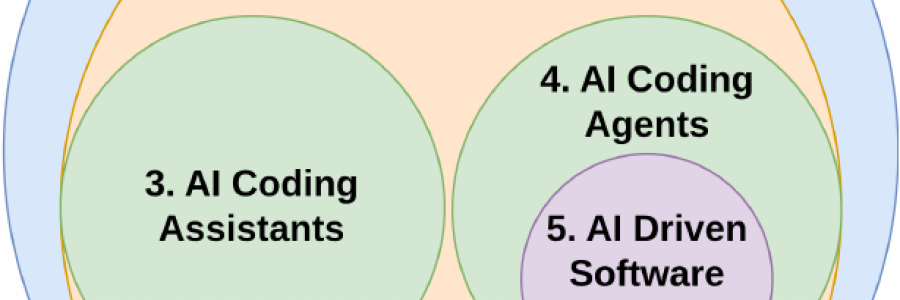
The rise of AI and it becoming ubiquitous in both research and industry has both advantages and disadvantages, which lead to long term improvements but also to potential problems if said disadvantages are not properly handled.
At the OpenFOAM Stammtisch 2026 I was invited to give a talk on the st...
This paper is an extended version of our first KSI paper1, which I had previously discussed.
As the previous paper had earned an award for best paper at the conference, we were invited to prepare an extended version to submit to the IARIA journals.
So we set out to address the short comings...

My dissertation covers 3 main products of my work.
These are two designs called Scalable AI Accelerator, short SAIA, and Scalable Kubernetes Inference Platform, short SKIP, as well as a design method for system of systems design.
The two designs both provide an approach for an AI inference platf...
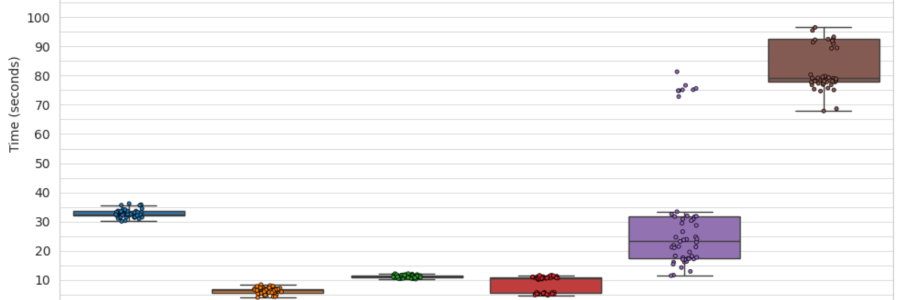
This paper presents Ephemeral Kubernetes as a tool for deploying and re-deploying Kubernetes clusters on top of Warewulf.
Warewulf is a node management solution commonly utilized in HPC environments as it enables stateless node provisioning with nodes booting into operating system images that are...
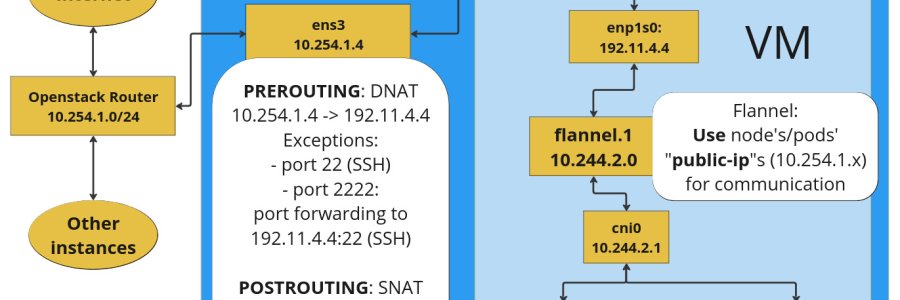
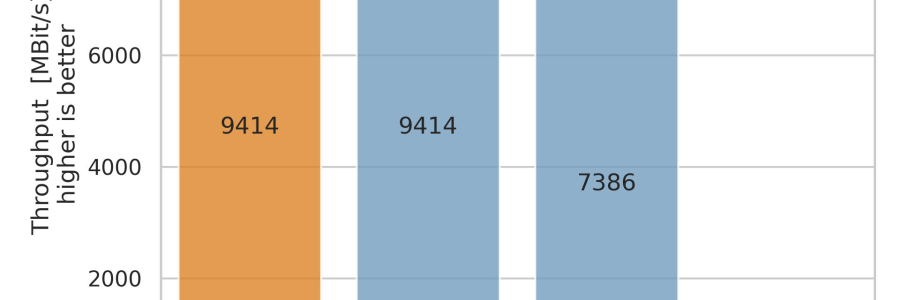
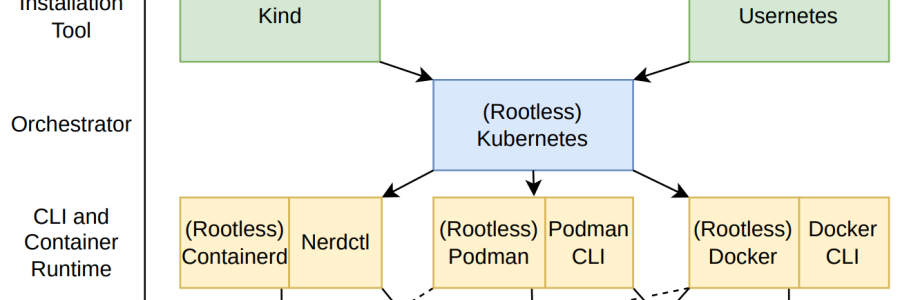
This paper introduces Kind Slurm Integration, short KSI, as a system for running Kubernetes without root under Slurm.
The implementation is based on Kind and rootless Podman, which enable setting up and running a complete Kubernetes deployment within a Slurm job on a single node.
The paper...
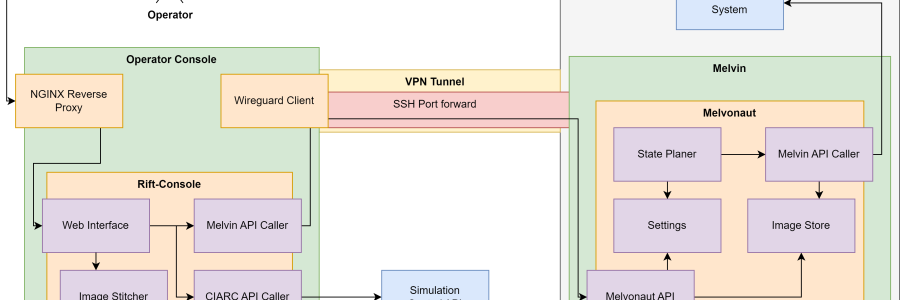
The European Space Agency, short ESA, runs a yearly competition called Computer In A Room Challenge, short CIARC.
This competition is open to university students, including bachelor’s, master’s and PhD students, and is intended to foster curiosity in space engineering from students of various f...
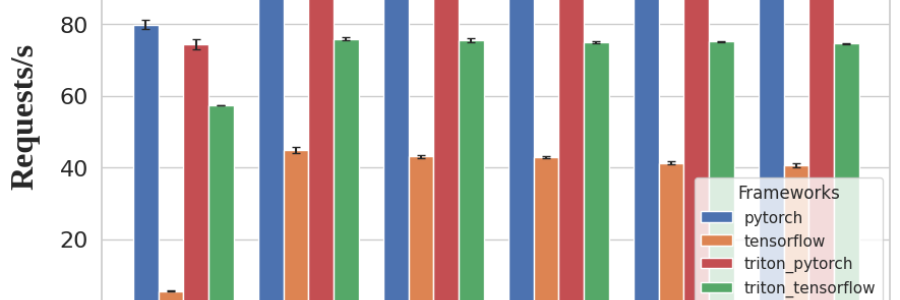
This paper covers a study on the performance of various machine learning model inference runtimes including Tenserflow Serving and PyTorch Serve as well as NVIDIA Triton with either of these as the backend.
The paper was written by Egi Brako based on his bachelor’s thesis, which he had wr...

An important aspect of working as a scientist is writing things down.
In order to later on understand one’s notes and to reproduce one’s work, these notes should have a system.
Moreover, when working in science for years, one might need to go back to look at past notes as some problems keep showin...

PykeBot2 is a Discord bot that I had developed in order to easily determine how skilled opponents in a given League of Legends tournament would be.
When I was playing League of Legends in an amateur team in the German university league we would often participate in tournaments hosted via Toorname...
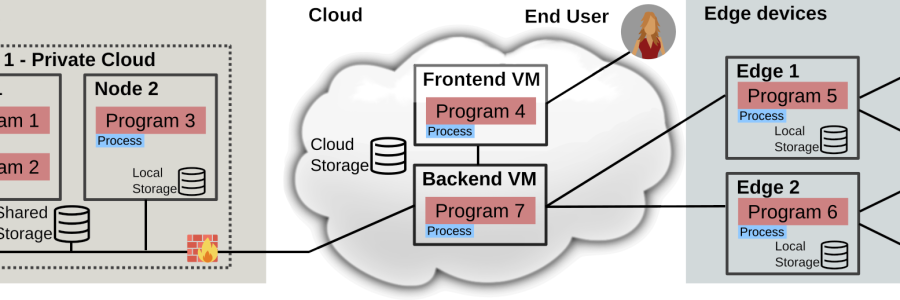
This paper is directly based on an EU Horizon research proposal we had submitted in 2022 for compute continuum platform that employs Kubernetes to operate a combined platform consisting of Cloud, HPC and Edge environments.
Achieving this, according to the design we presented in the paper, involve...
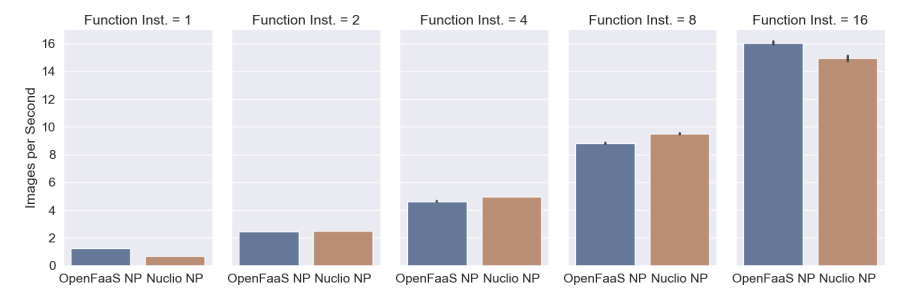
This paper presents a study on the performance of the two open source serverless runtimes OpenFaaS and Nuclio.
It is directly based on my Master’s Thesis and covers the most essential results of my work.
I have already covered my additional thoughts on the topic of serverless computing in...
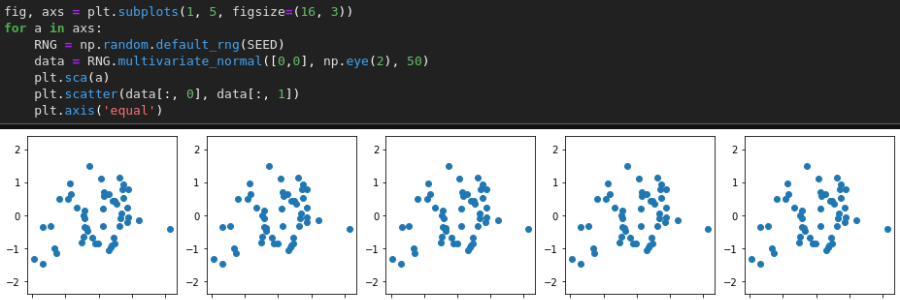
An essential part of science is the ability to recreate the results of a given study as other scientists need to be able to verify and expand on it.
As Karl Popper stated in his book “The Logic of Scientific Discovery”: “Non-reproducible single occurrences are of no significance to science.”
The...
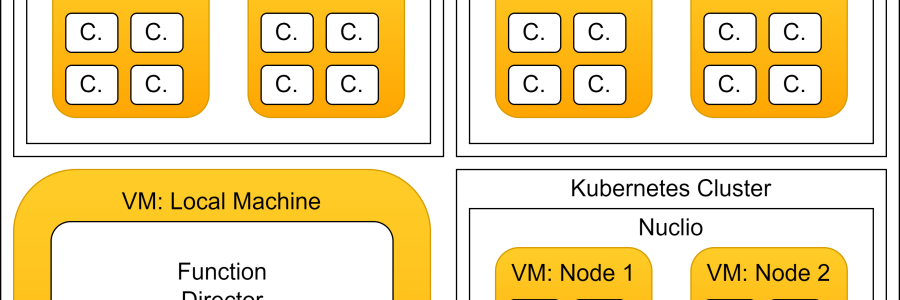
Serverless Computing provides an interesting compute paradigm with significant advantages in certain situations.
In my Master’s thesis I had studied the performance of multiple open source serverless runtimes in comparison.
Specifically, I had taken a closer look at OpenFaaS and Nuclio.
Whi...
About Me

Dr. Jonathan Decker
Jonathan Decker takes the role of a system architect with a focus on designing systems that enable new and novel ways of utilizing Cloud and HPC resources, while also being efficient, secure and scalable.
Most notably, he strives to combine HPC with Kubernetes to get the best of both worlds.
Jonathan completed his PhD in 2025 via his work on Chat AI and its underlying AI inference platform, which now enables secure and sensitive access to AI services for students and researchers across Germany.
Moreover, in 2025, he served as the speaker of the PhD student representatives of the Georg-August-University of Göttingen.
Now he heads a team in the High-Performance Storage research group of Prof Kunkel while being in close collaboration with the GWDG.
There he handles research, supervision of PhD students and university teaching activities.